F.A.Q.s

Plastic Recycling Process


F.A.Q.s About Plastic Recycling


Northwest Polymers Recycling Questions:

recycling questionsI am a homeowner and I have a small amount of plastic for recycling. Will you pick it up?

Northwest Polymers primarily services large industrial, commercial or municipal generators in larger quantities. If you have further questions about what we pick up, please refer to our materials we buy page or contact us here.

recycling questionsWhat materials does Northwest Polymers accept?

Northwest Polymers accepts a wide range of plastics. Please note we do not pick up or accept plastic from residential or individuals. Please see chart below for detailed info:

Resin Types

Material Types


Contact for inquiries: jwalter@nwpoly.com

Polyethylene
Polystyrene
Polypropylene
ABS
PVC
Polycarbonate
Nylon
Acrylic
Vinyl
HDPE
LDPE
Ethylene
Styrene
Propylene

Window Profile
Barrels
Buckets
Siding
Crates
Totes
Pipe
Pallets
Bumpers
Scrap Plastic
Waste Plastics

Plastic Scrap
Nursery
Trays
Tubs
Jugs
Video Cases
Sign Scrap
Hangers
Purgings
Obsolete Packaging

recycling questionsHow much will I get paid for my scrap plastic?

Northwest Polymers offers some of the most competitive pricing available to buy your scrap plastics. For a free quote please click here.

recycling questionsDoes Northwest Polymers pick up my materials?

Depending on the amount and location yes.

recycling questionsWill Northwest Polymers ship plastic materials?

Depending on the amount and location yes.

recycling questionsI am a business or I have a large amount of scrap plastic. How do I get a price?

To get a free quote today contact us here.

recycling questionsWhere is Northwest Polymers located?

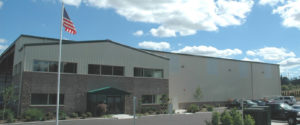
Northwest Polymers headquarters is located in Molalla, Oregon, however we service and have partners in many areas.


General Plastic Questions:

recycling questionsHow do I identify the plastic recycling numbers?
Recycling Numbers

1. PETE: Polyethylene Terephthalate

PETE is a thermoplastic polymer resin in the polyester family. It is one of a number of plastic polymers that is used in synthetic fabrics and clothing. PETE is suitable for use in containers for soda, water and other types of liquids due to its high efficiency as a barrier to gas and moisture. It is known for its toughness and strength.

2. HDPE: High density Polyethylene

HDPE is a thermoplastic polymer. It is one of the plastic polymers most often used as the material in grocery bags and thin plastic films. It is easily recyclable and is commonly used for packaging detergents, bleaches, milk, motor oil and other automotive products. The plastic recycling process turns HDPE back into more containers, bottles and bags.

3. PVC: Polyvinyl Chloride

PVC is the ubiquitous material used in piping, construction, furniture, packaging of non-food items and numerous other products. It is not used in packaging for food or as food containers as the chemicals used in its production are considered toxic. Though one of the plastic polymers, PVC is difficult to recycle in the plastic recycling process due to its toxicity.

4. LDPE Low-density Polyethylene

LDPE is similar to HDPE in composition, but it is more flexible and less opaque. It is resistant to vegetable oils, heat and cold and maintains a good seal. LDPE is one of a number of plastic polymers that is used in the manufacture of condiment squeeze bottles, shrink wrap, plastic container lids and dry cleaning bags. Many companies that utilize large quantities of LDPE use the plastic recycling process to turn it back into more bags, containers and packaging.

5. PP: Polypropylene

PP is commonly used in clothing, bottles and in the manufacture of various types of ropes. It is one of the plastic polymers known for its strength, versatility and resistance to heat, chemicals and grease. It is the material often used in microwaveable plasticware and disposable plates, cups and utensils. The plastic recycling process can turn this plastic polymer into wearable fibers.

6. PS: Polystyrene

Also known as styrofoam, PS is made into cups, food trays, egg cartons, take-out containers and packing peanuts. Though common, this is one of the plastic polymers that is a challenge to recycle in the plastic recycling process: Due to its light weight, a high volume yields few reusable materials.

7. Other

Other plastics, often polycarbonate or ABS, depend on plastic polymers or a combination of plastic polymers for packaging purposes, such as beverage bottles and food containers. Polycarbonate has many non-packaging uses such as CDs, electronic housings, sunglasses and car headlamps. This category also contains plastics that are not easily recyclable in the plastic recycling process such as polyurethane or are a mixture of any or all of the above.

recycling questionsHow do I identify the type of plastic I have?

Recyclable plastics are classified by numbers wrapped in symbols, they number #1-7. Please see our FAQ #1 for detailed info on the types.

recycling questionsWhat is a Polymer?

The word Polymer comes from the Greek "poly" meaning many, and "meros", parts or units. A polymer is a group of many units. You combine many monomers (one unit) to create a polymer. Polymer is often used as a synonym for "plastic", but many biological and inorganic molecules are also polymeric. All plastics are polymers, but not all polymers are plastics. Plastic actually refers to the way a material melts and flows. Commercial polymers are formed through chemical reactions in large vessels under heat and pressure. Other ingredients are added to control how the polymer is formed and to produce the proper molecular length and desired properties. This chemical process is called "polymerisation". A homopolymer results from polymerising only one kind of monomer. A copolymer results from using different monomers. Homopolymers have the same repeating unit while copolymers (which can be random, block, or graft) can vary have different numbers of repeating units. A terpolymer results from using three different monomers.

recycling questionsWhat is sustainability?

sustainablitity is usually defined at "meeting the needs of the present without compromising the ability of future generations to meet their own needs." There are three legs to sustainability: economical, environmental and social. Without meeting all three of these needs, something cannot be deemed sustainable..